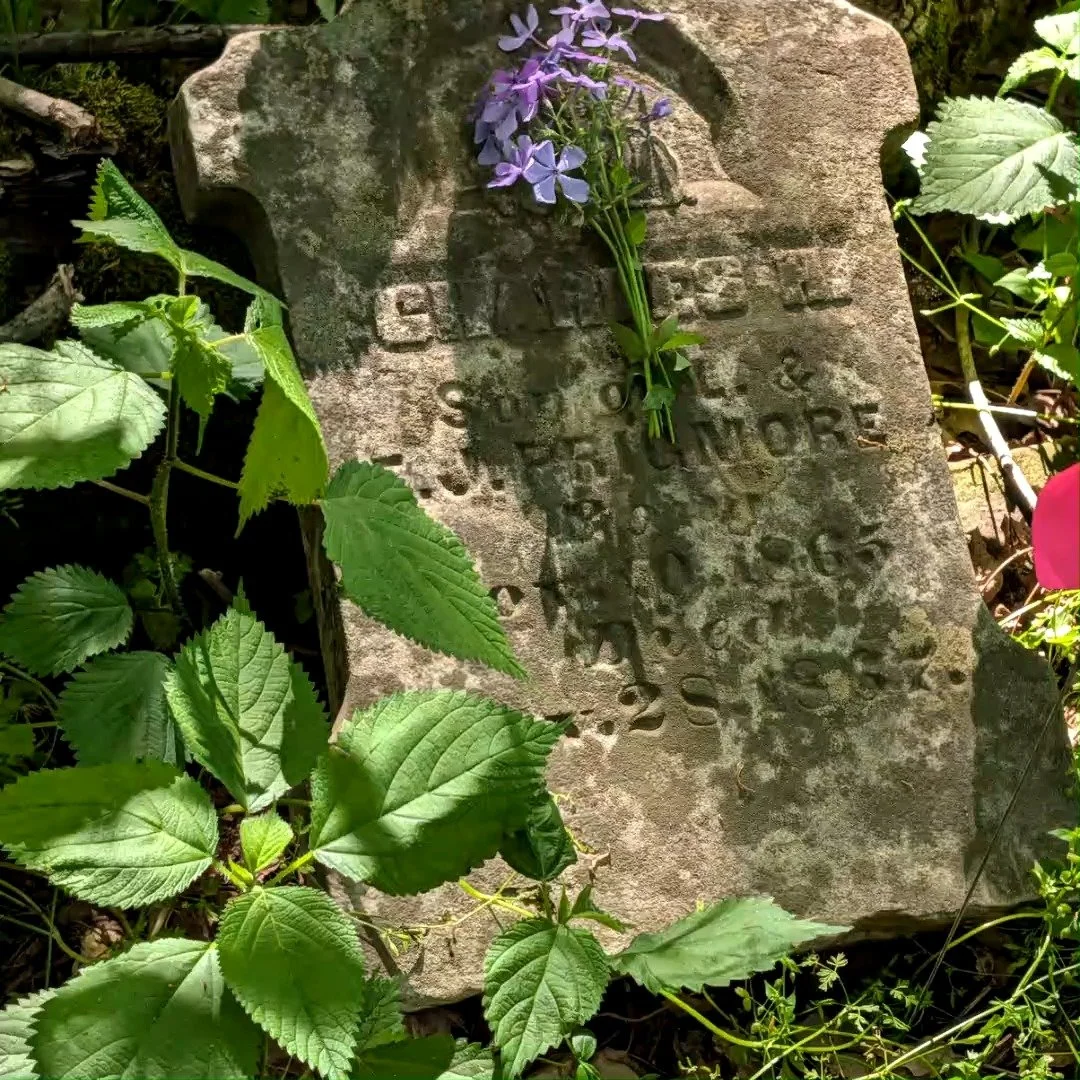
How can a cemetery get lost without ever moving? 🪦🔍
Sometimes the hardest part of finding an historic cemetery is not locating it on the ground, it's figuring out what people called it!
In one of our ongoing research projects, the same small historic cemetery appears in records under at least THREE different names! That creates a problem; so how do archaeologists and historians sort this out?!?
1. Collect every name.
We record each name instead of deciding too quickly which one is "correct."
2. Ask who is associated with each name.
Were those families buried there? Did they own nearby land? Census records, deeds, obituaries, land patents, and family histories can help.
3. Compare location clues.
Old records may describe a cemetery as being near a road, creek, school, church, family property, or community. Several vague descriptions can become meaningful when they point to the same landscape.
4. Follow the people.
If related families are repeatedly described as buried in differently named cemeteries in the same area, that may suggest the records refer to one place.
5. Compare documents with the ground.
Surviving headstones, broken markers, grave depressions, roads, vegetation, and property boundaries can be compared with what the written record predicts.
And sometimes the most important clue is an absence: a record says someone was buried there, but no marked grave survives. That does not give us an answer. It gives us another question. Historic places can change names while never moving at all. Our job is to put the pieces back together.
#archaeology #cemeteryresearch
Join us for the adventure of a lifetime!
Thank you to @basemapconsulting
To sponsor one acre of the survey for $10, visit the GOJIRA project here: https://www.terraincognitaresearch.org/
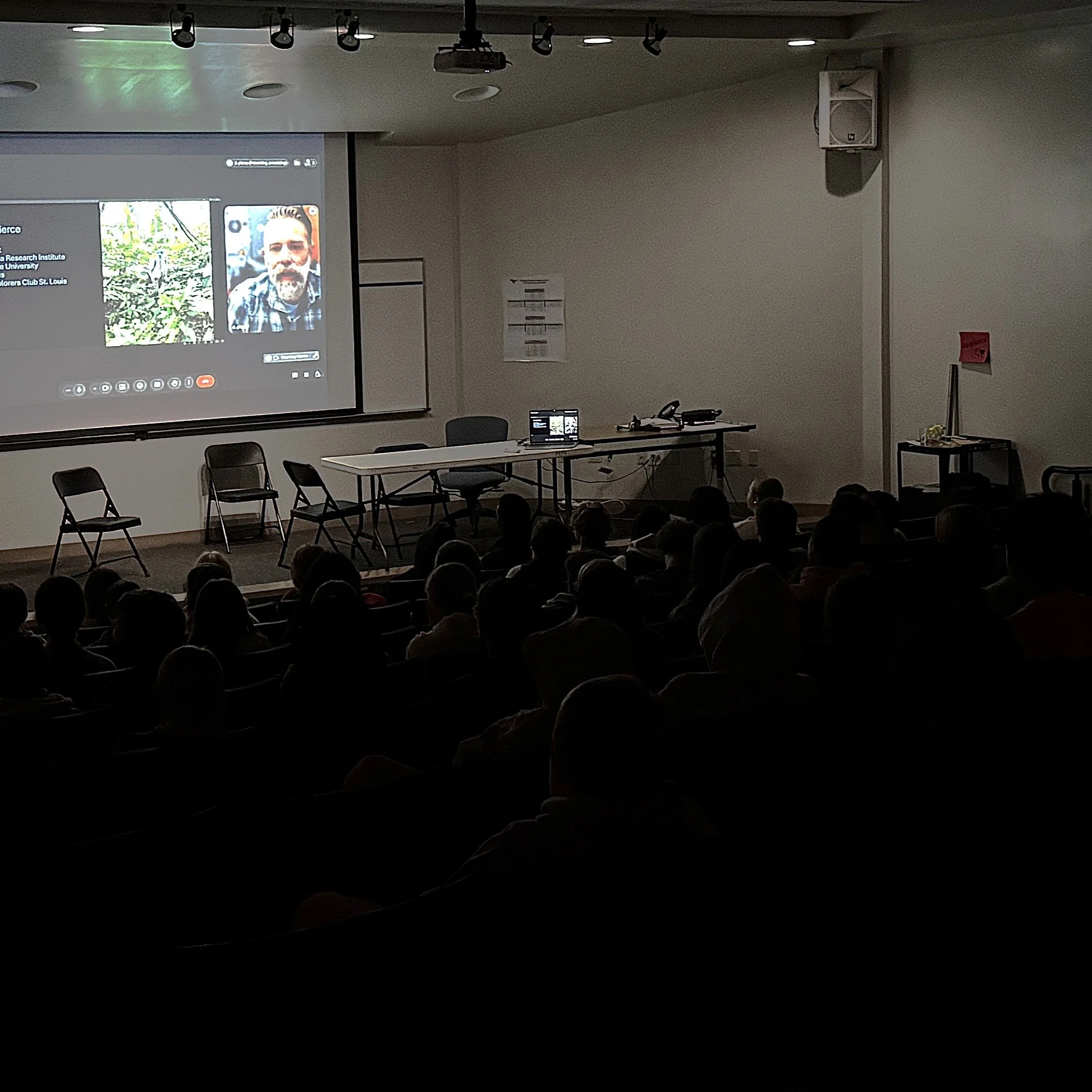
What a fun presentation! Our own Dr. Daniel Pierce had the opportunity to engage with students of Parkway Central Middle School of St. Louis to discuss the topic of Exploration, leading to a great Q&A session. Thank you so much to Parkway, and to Courtney Varner for making this visit possible 💖
#exploration #publicoutreach #archaeology
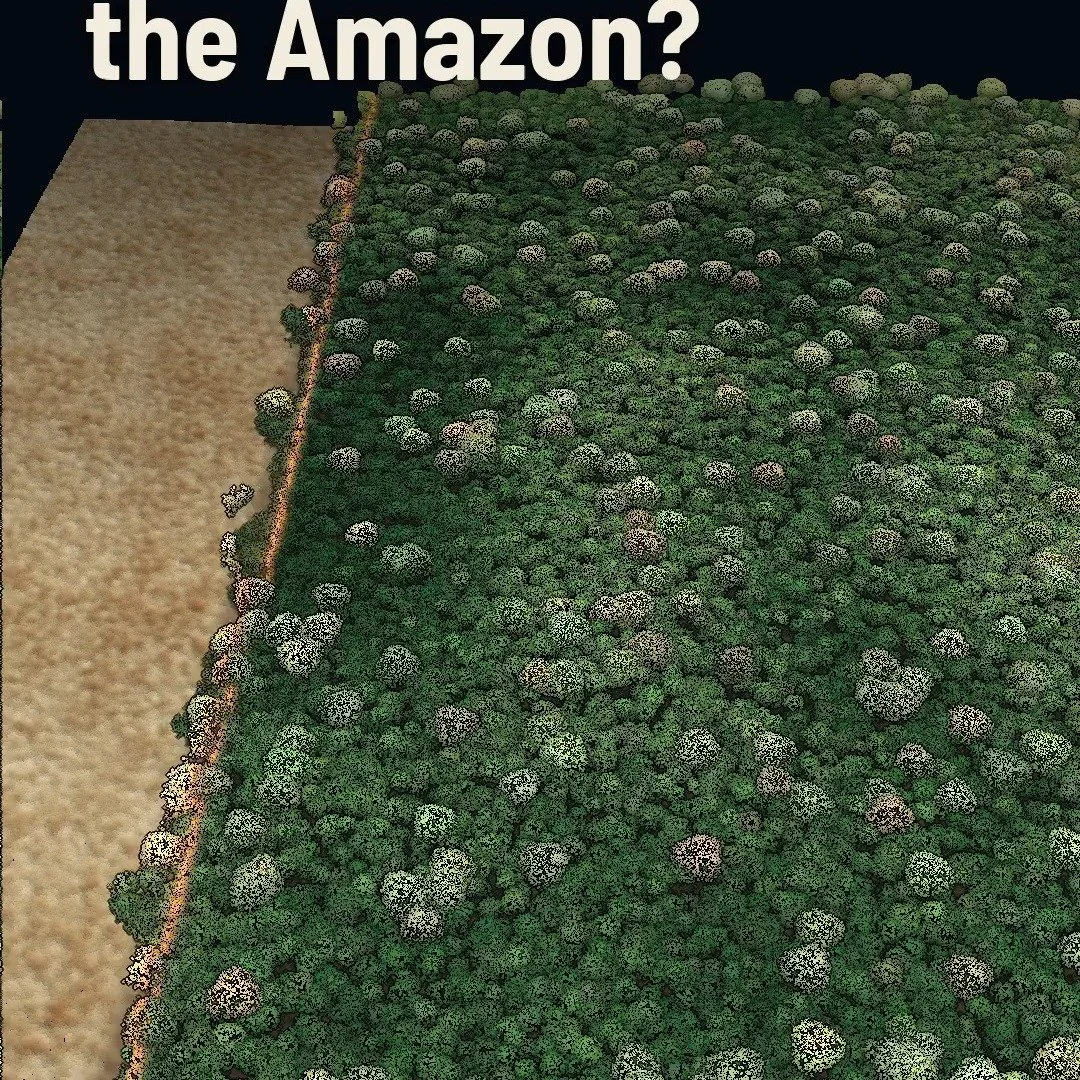
How do archaeologists find a building that no longer exists? This is a research question that sounds simple, but keep in mind that historic buildings within some of our projects have disappeared so completely that a visitor today might see nothing but woods.
So...how do we find them?!? We don't start by just wandering around the woods, hoping to trip over a foundation 😆 We build the case, step by step.
First, we put the right people in the right general place by using land patents, deeds, census records, tax records, family histories, and other documents can tell us who owned or occupied land within a particular area. That narrows the search, but land ownership does NOT automatically tell us where a house stood. Second, we look back through aerial photographs. Old aerial photographs record many features that might have faded into invisibility, such as a path or an orchard, which assist in understanding how the landscape was used in the past. Third, we follow the roads. Historic buildings needed to have access, meaning old road traces provide excellent clues. Fourth, we look for things that outlive the buildings, such as cellar depressions, wells or cisterns, cultivated plants, and artifact scatters, to name a few. Lastly, we allow the sources to argue with each other. This is the important part. We compare the documents, aerial photographs, landscape features, oral histories, and archaeological evidence. If multiple, independent lines of evidence converge on the same location, our level of confidence increases that we are narrowing where the old building was located.
Sometimes an entire vanished household survives as little more than an old road, a few stones, a patch of flowers--and a pattern waiting to be recognized.
#Archaeology #landscapearchaeology
Weird Fact Friday, Spooky Season 🎃 🐈⬛ 🖤
Those cages weren't meant to keep the dead in...
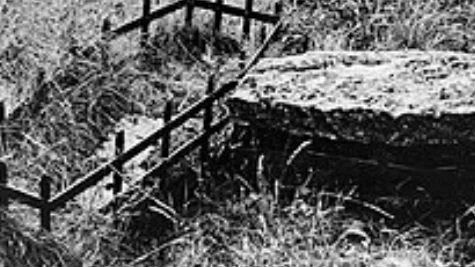
If you wander through certain old Scottish churchyards, you may encounter something that looks wonderfully ominous: an iron cage over a grave. Your first thought might reasonably involve vampires, zombies, or a deceased person whom everyone was particularly determined to keep underground. The real explanation is arguably even stranger.
They are called mortsafes, and they were designed to stop body snatchers from stealing freshly buried corpses. During the early 19th century, medical schools needed human bodies for anatomy instruction--but the legal supply of cadavers could not keep pace with demand. That created a profitable underground trade. So-called "resurrectionists" robbed fresh graves and sold the bodies to anatomists. Understandably, families were horrified. Some communities resorted to guarding graveyards at night, while others used heavy stones, watch houses, locked vaults--and mortsafes.
These enormously heavy iron structures protected a coffin during the period when a freshly buried body would still have been valuable to body snatchers. Once that danger had passed, some mortsafes could be removed and reused for another burial.
So if you ever encounter what appears to be an iron cage over an old Scottish grave, remember: it probably wasn't there because people were afraid the occupant might get out...they were likely afraid someone else might get in! 👀
Happy Weird Fact Friday! 👻
#archaeology #scottishhistory